ENRICHMENT

STIMULATION IS KEY
Training enrichment for dogs involves incorporating stimulating activities and rewards into their training routines to keep them engaged, mentally stimulated, and motivated. One effective way to achieve this is by using dog treats strategically during training sessions. Here are some ideas for incorporating enrichment into your dog's treat-based training:
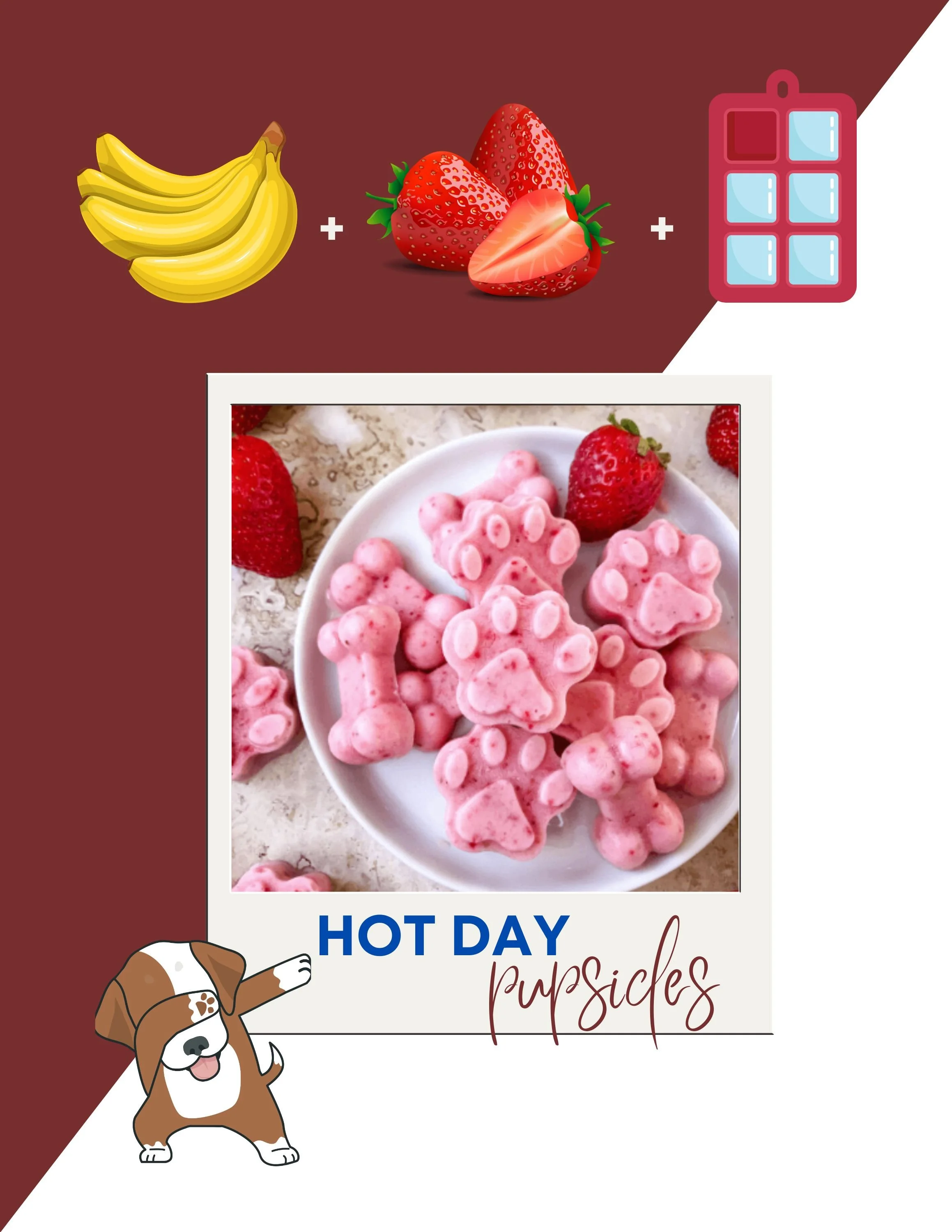
1. Variety of Treats: Use a variety of treats with different textures, flavors, and smells to keep your dog interested and engaged. Experiment with commercial treats, homemade treats, fruits, vegetables, and even bits of cooked meat or cheese.
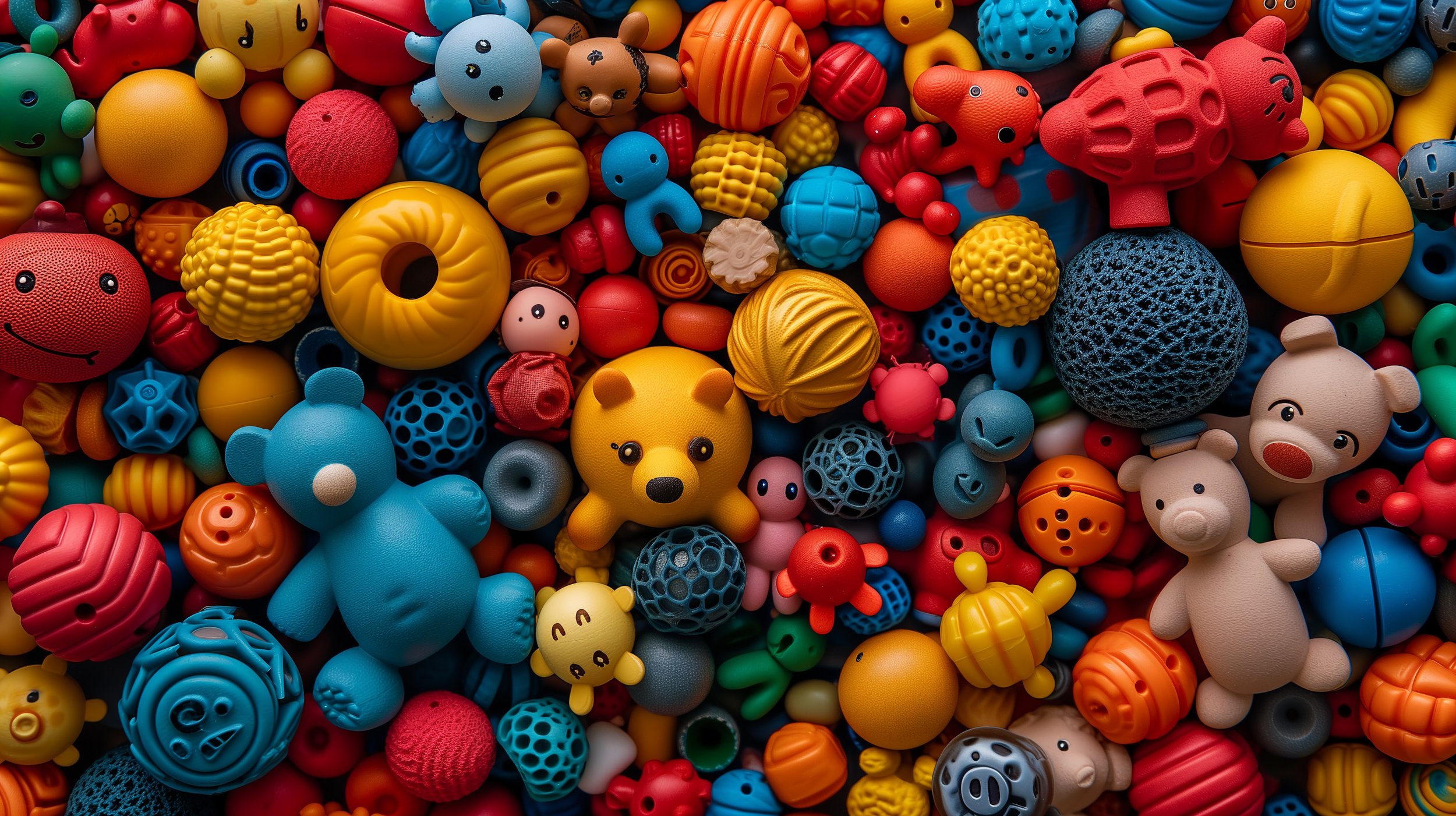
2. Puzzle Toys: Incorporate treat-dispensing puzzle toys into your training sessions. These toys challenge your dog to solve puzzles to access the treats, providing mental stimulation and encouraging problem-solving skills.
3. Hide and Seek: Hide treats around the training area or throughout your home and encourage your dog to find them using their sense of smell. This activity taps into their natural scavenging instincts and provides a fun way to reinforce obedience commands.
4. Training Games: Turn training sessions into fun games that incorporate treats as rewards. For example, play "find it" where you hide treats and command your dog to search for them, or play "fetch" with a treat-dispensing toy.
5. Interactive Feeding: Instead of feeding your dog from a bowl, use interactive feeding toys or games that dispense treats as your dog interacts with them. This adds an element of fun and mental stimulation to mealtime.
6. Obstacle Courses: Set up simple obstacle courses in your backyard or living space using items like cones, tunnels, or agility equipment. Use treats to motivate your dog to navigate the course, reinforcing training commands along the way.
7. Scent Work: Engage your dog's sense of smell by incorporating scent work into training sessions. Hide treats in containers or under objects, and encourage your dog to find them using their nose.
8. Free Shaping: Practice free shaping, where you reward your dog for gradually approximating the desired behavior. This encourages your dog to think creatively and problem-solve to earn treats.
9. Duration and Distraction Challenges: Gradually increase the difficulty of training exercises by introducing distractions or requiring your dog to maintain behaviors for longer periods before receiving a treat. This builds focus, impulse control, and resilience.
10. Positive Reinforcement: Always use positive reinforcement techniques during training enrichment activities, rewarding your dog with treats and praise for desired behaviors. This creates a positive association with training and strengthens the bond between you and your dog.
Remember to adjust the difficulty level of enrichment activities based on your dog's skill level, age, and individual preferences. The goal is to make training sessions enjoyable and mentally stimulating for your furry friend!

-
SENSORY
-

PHYSICAL
-

OCCUPATIONAL
-

SOCIAL
-

NUTRITIONAL
GET CREATIVE


Get paper egg cartons, toilet paper rolls, boxes, packaging paper, etc., fill it with treats and let your pup have at it. They will make a mess, that’s the point. They are using their senses to investigate; goal find the treat!
Ideas